
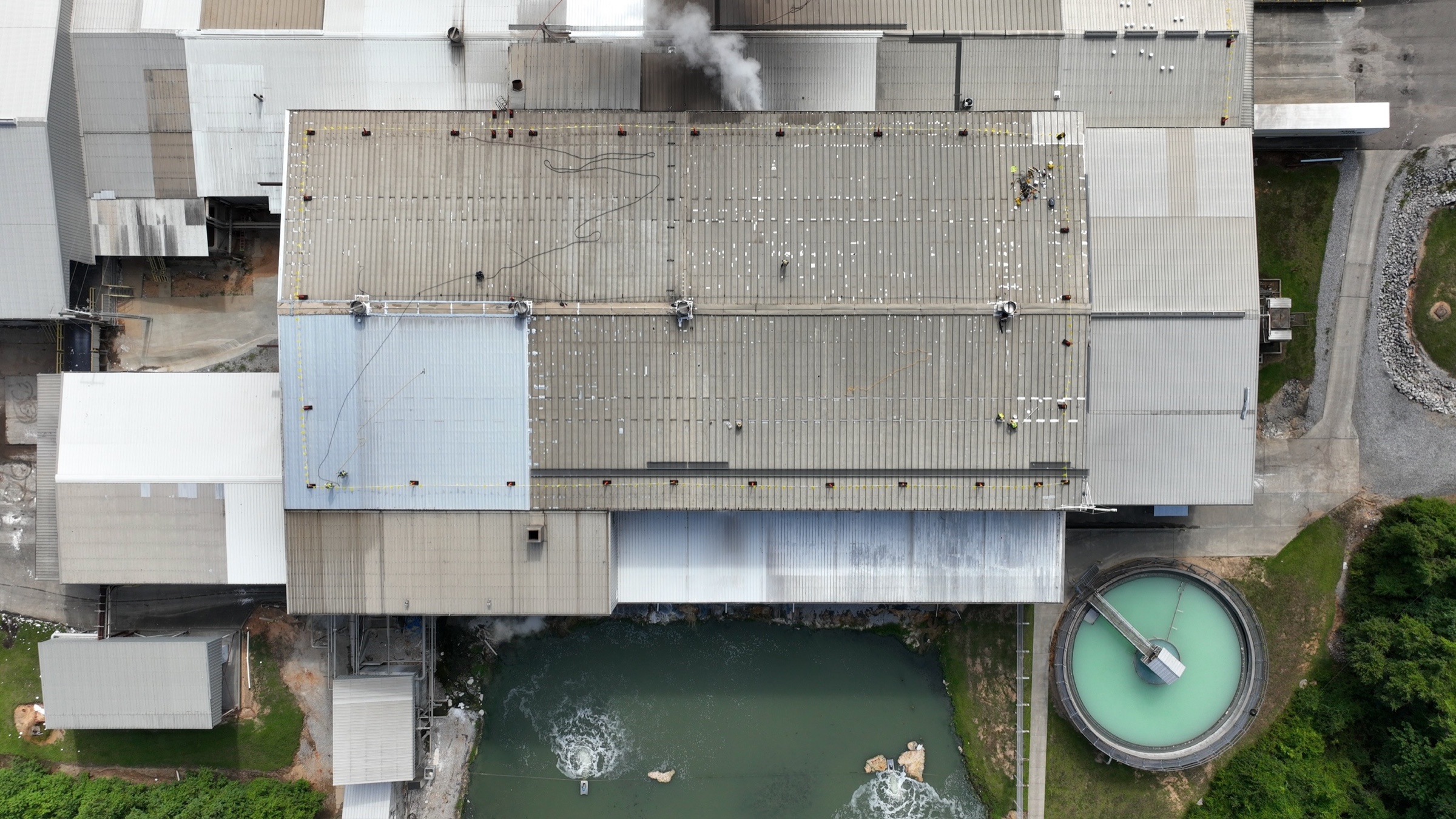
Maintain
Scheduled inspections, drain clearing, and documented care for seams, flashings, and coatings. Built for one building or a multi-site agreement.
We help owners evaluate roof conditions and decide what to maintain, restore, or replace. That choice matters most for REITs and portfolio owners who have to rank one building against the next.
An assessment ranks each roof by condition, so a portfolio can spend on the buildings that need it and keep the others on a maintenance plan.
Scheduled inspections, drain clearing, and documented care for seams, flashings, and coatings. Built for one building or a multi-site agreement.
When the report shows the system is past repair, we lay out restoration or replacement, including how the building stays open while the work is phased.
A condition report in this shape is what an owner uses to set the year’s plan. The rows below are a sample, not a client list.
This preview shows where commercial work has concentrated. It is not the service area, and it is not a pin for each job. Named locations, roof sizes, and systems go on the map when the shared project list is ready.
No projects match this filter.
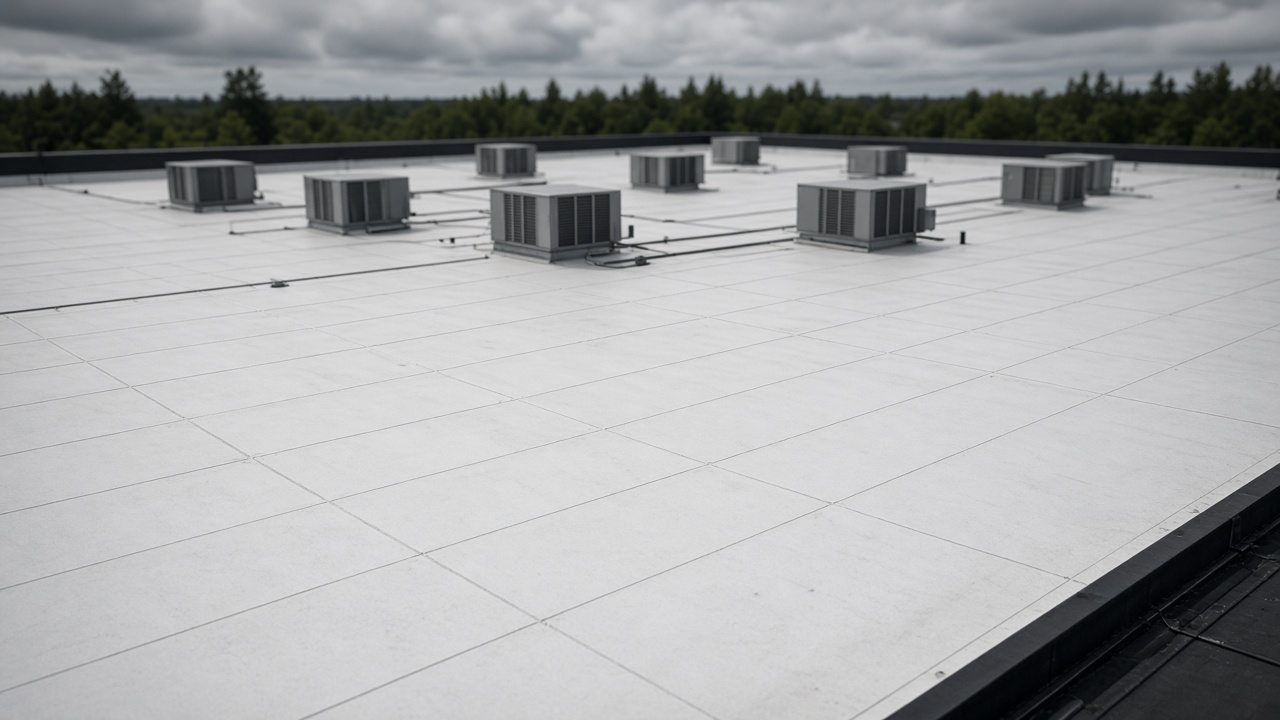
Flat and low-slope roofs, judged before they are replaced.
We look at the system, drainage, insulation, seams, and flashing, then recommend maintenance, restoration, or replacement for warehouses, offices, and other low-slope buildings.
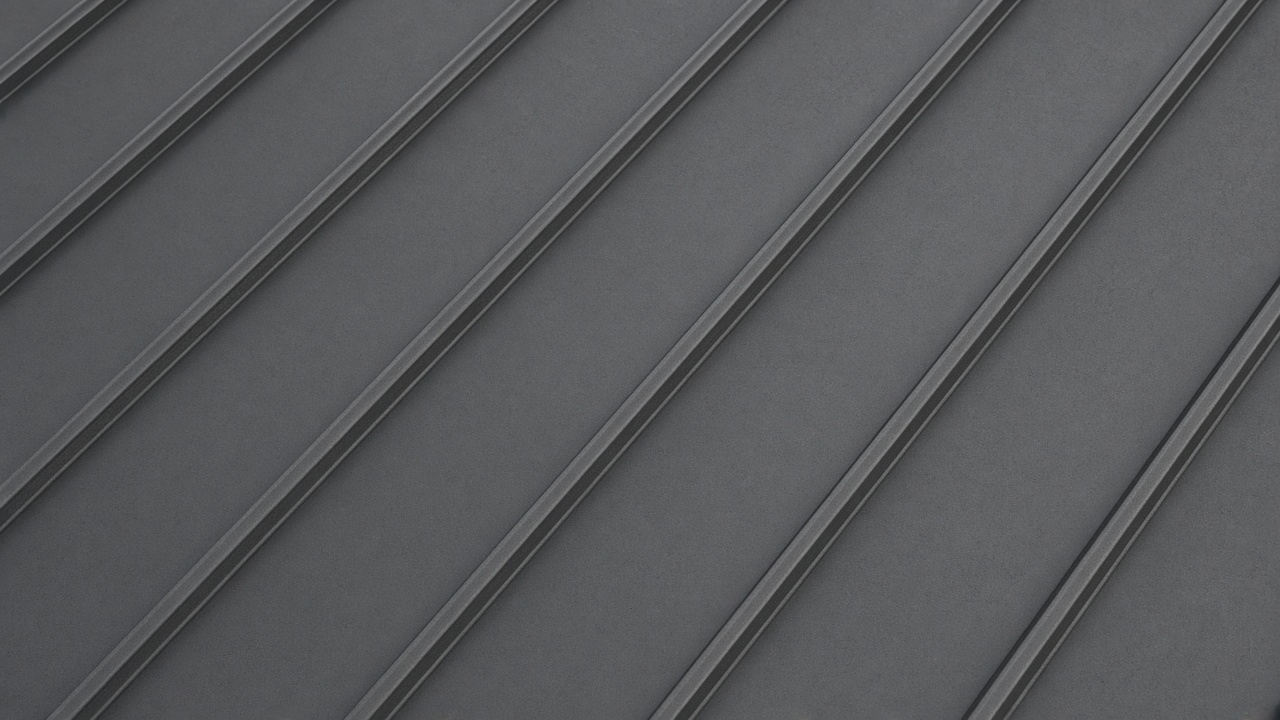
Standing seam or exposed fastener, and what each one needs.
Metal roofs fail in different places. Standing seam is a different repair than an exposed-fastener panel, and the assessment says which path fits the building.
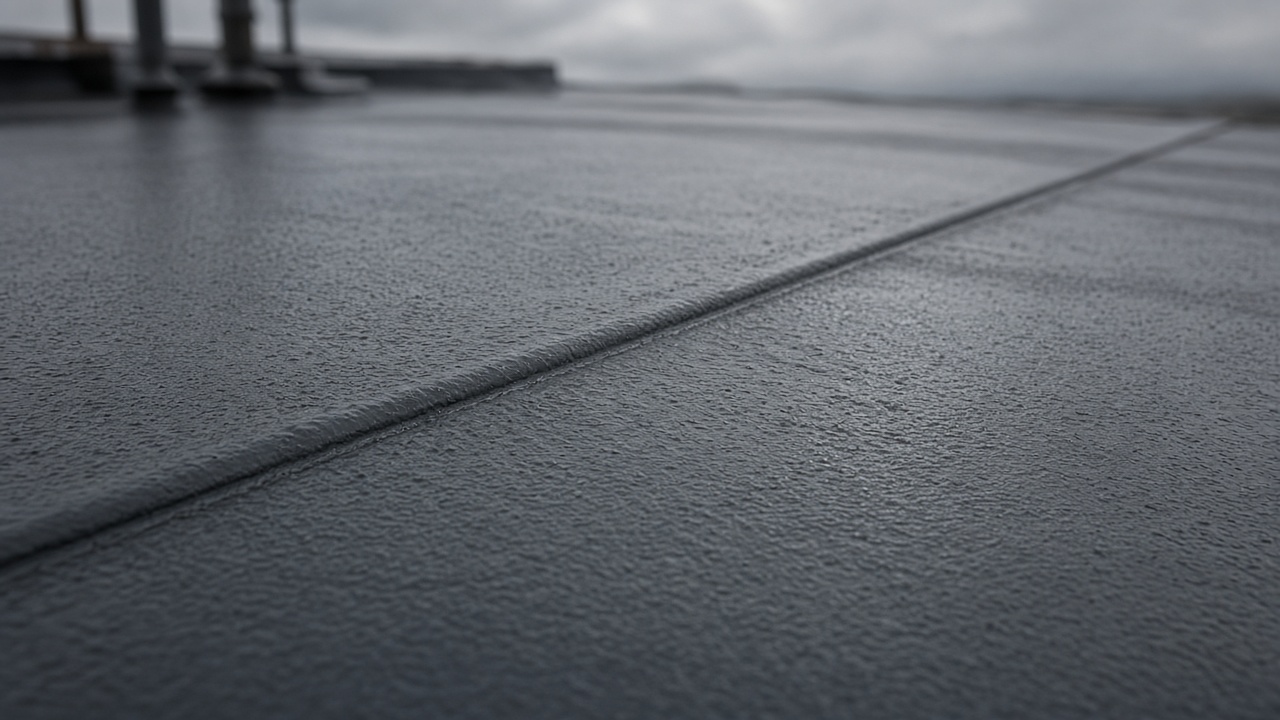
A coating is a restoration, and only some roofs qualify.
We coat a roof when the deck is dry, drainage works, and the surface can be prepared to the manufacturer’s standard. If those conditions fail, replacement is the recommendation.
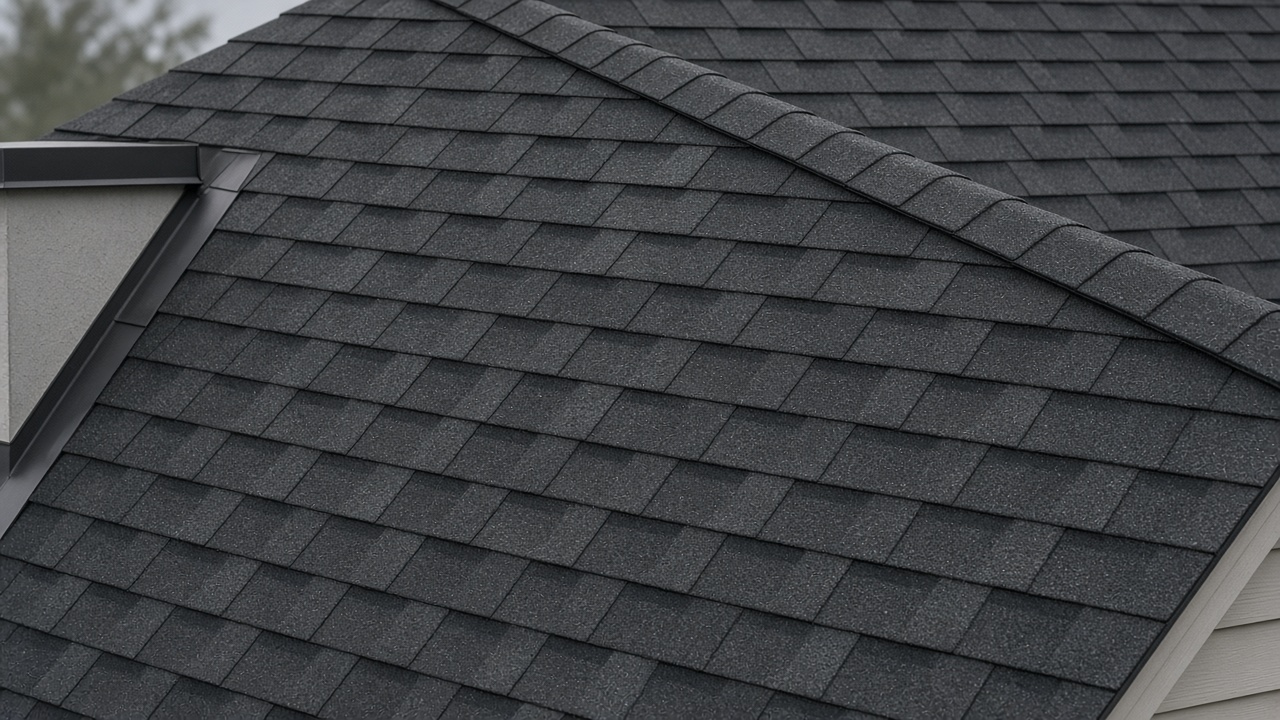
Steep-slope shingles for commercial and multifamily buildings.
Shingle work on apartments, offices, and other steep slopes is planned around residents: flashing, ventilation, and a schedule that keeps the property open.
Clay, concrete, slate, synthetic, and metal tile.
Tile and slate need a match, not a generic replacement. We inspect the field, match the profile, and rebuild the underlayment and flashing underneath.
The assessment is the product. Phasing, tenant notice, and the work itself follow from what the roofs actually need.
We document the system, the condition, and what the building can still carry, so maintenance and replacement are separate decisions.
Phasing, material choices, and schedules are set around tenants, docks, leasing, and weather windows.
Crews execute with clear communication, photo updates, and a clean handoff when the work is complete.
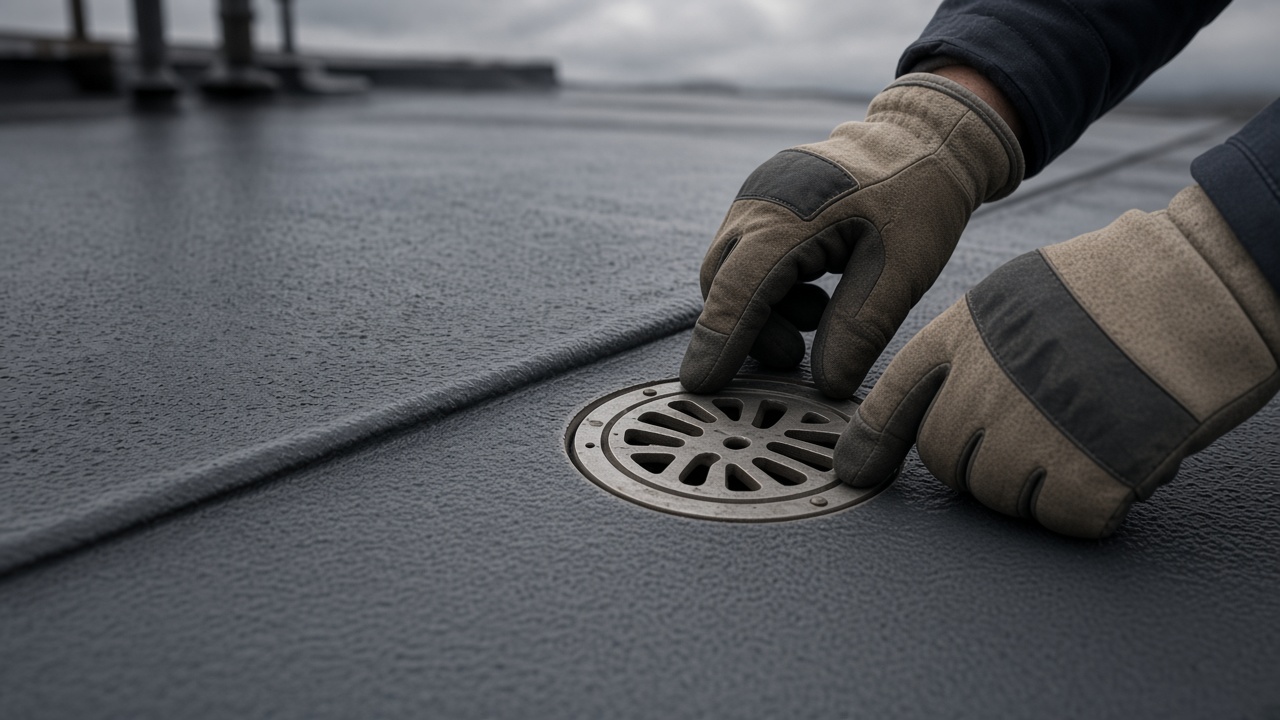
Inspections, drains, seams, and flashings stay on a schedule so a portfolio is not guessing which building fails next.
Ask for an assessment of one building, or a conversation about how a portfolio should be prioritized.